
Lighting Objective
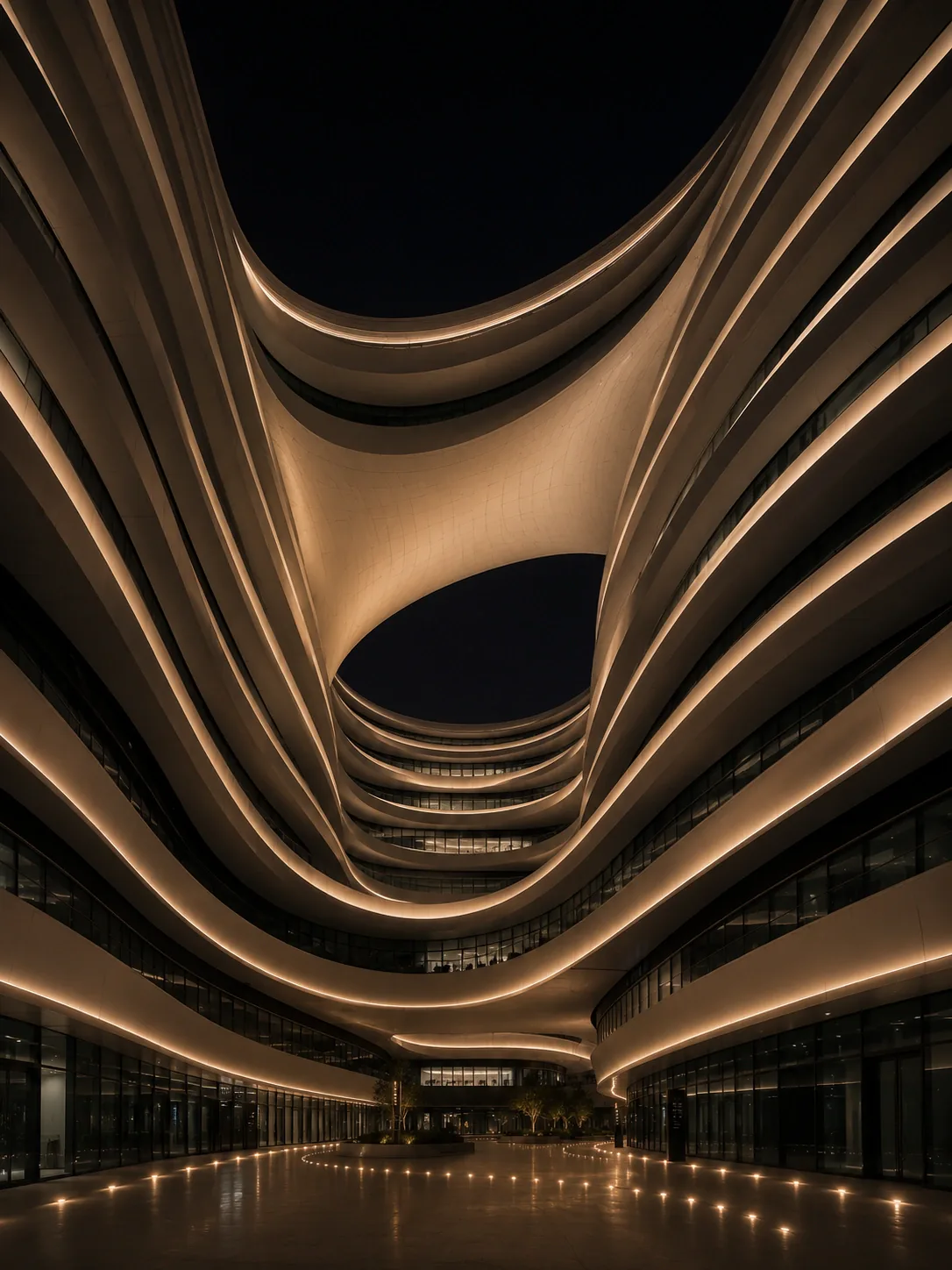
DMX Application
Architectural Lighting
Architectural lighting uses DMX to organize facade and interior zones into coordinated scenes. A clear signal path helps every luminaire follow the intended sequence across longer installations.
- Lighting Objective
- Coordinate facade and interior zones as clear visual scenes.
- DMX Signal Role
- Distribute control data through serviceable branches to each lighting zone.
- Planning Focus
- Record zones, addresses and scene intent for testing and future service.
DMX Application Guide
How DMX is used in Architectural Lighting
Architectural lighting uses DMX to organize facade and interior zones into controllable scenes. The system can distribute data over longer runs, convert it for the chosen luminaires, and keep every zone aligned with the intended visual sequence.
Application Examples
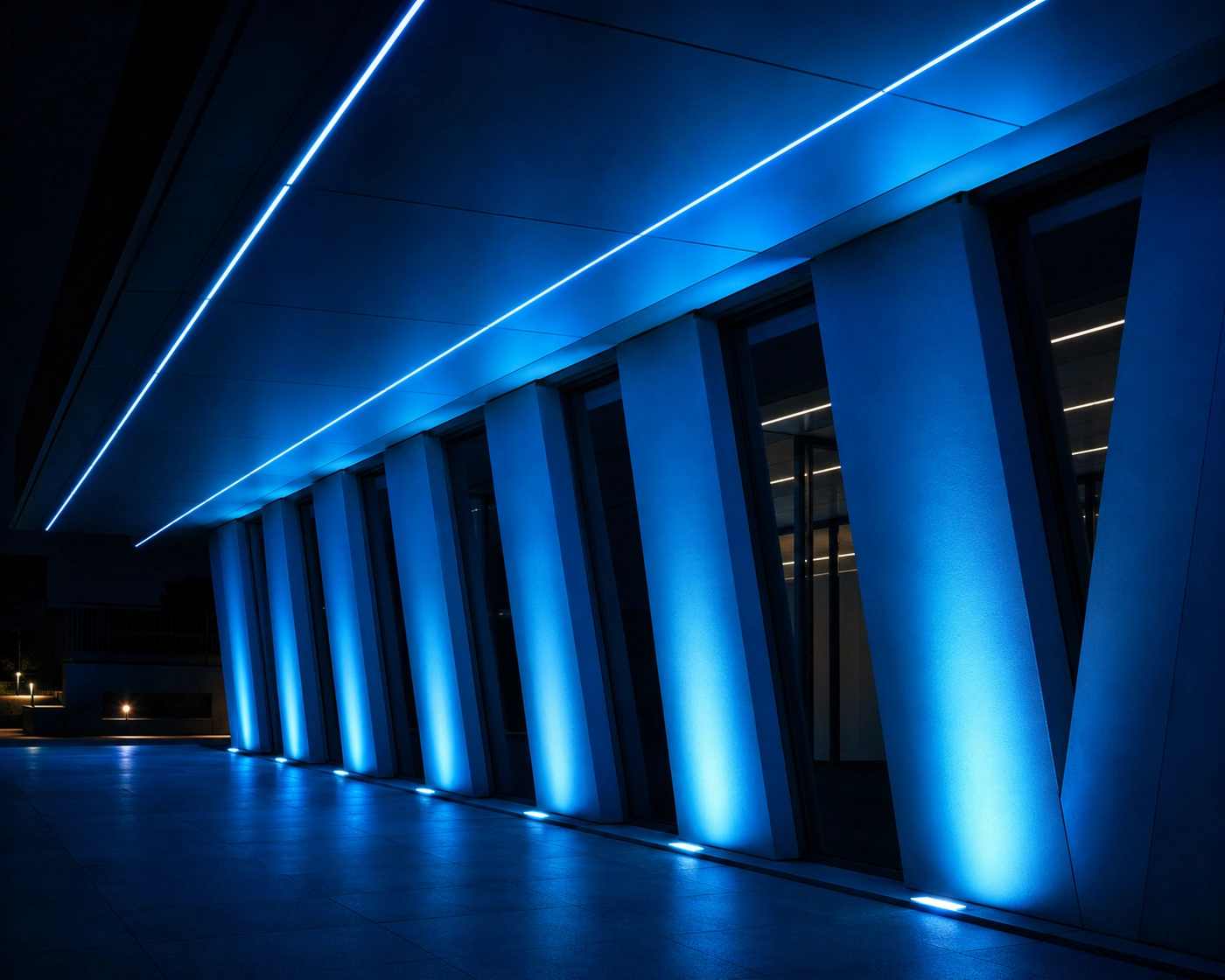
Facade Zoning
Independently controlled zones create a coordinated rhythm across the building surface.

Surface Detail and Repetition
Focused lighting brings repeated architectural details into the overall scene.

Nighttime Building Identity
A well-defined facade lighting scheme gives the building a clear presence after dark.
Application Overview
Signal Routing
Facade branches
Lighting Outputs
Fixture control
Typical Signal Path
Coordinate zones from control to facade
Route control data through serviceable branches so interior and facade zones can follow the intended scene sequence. Read the guide to DMX cabling and termination.
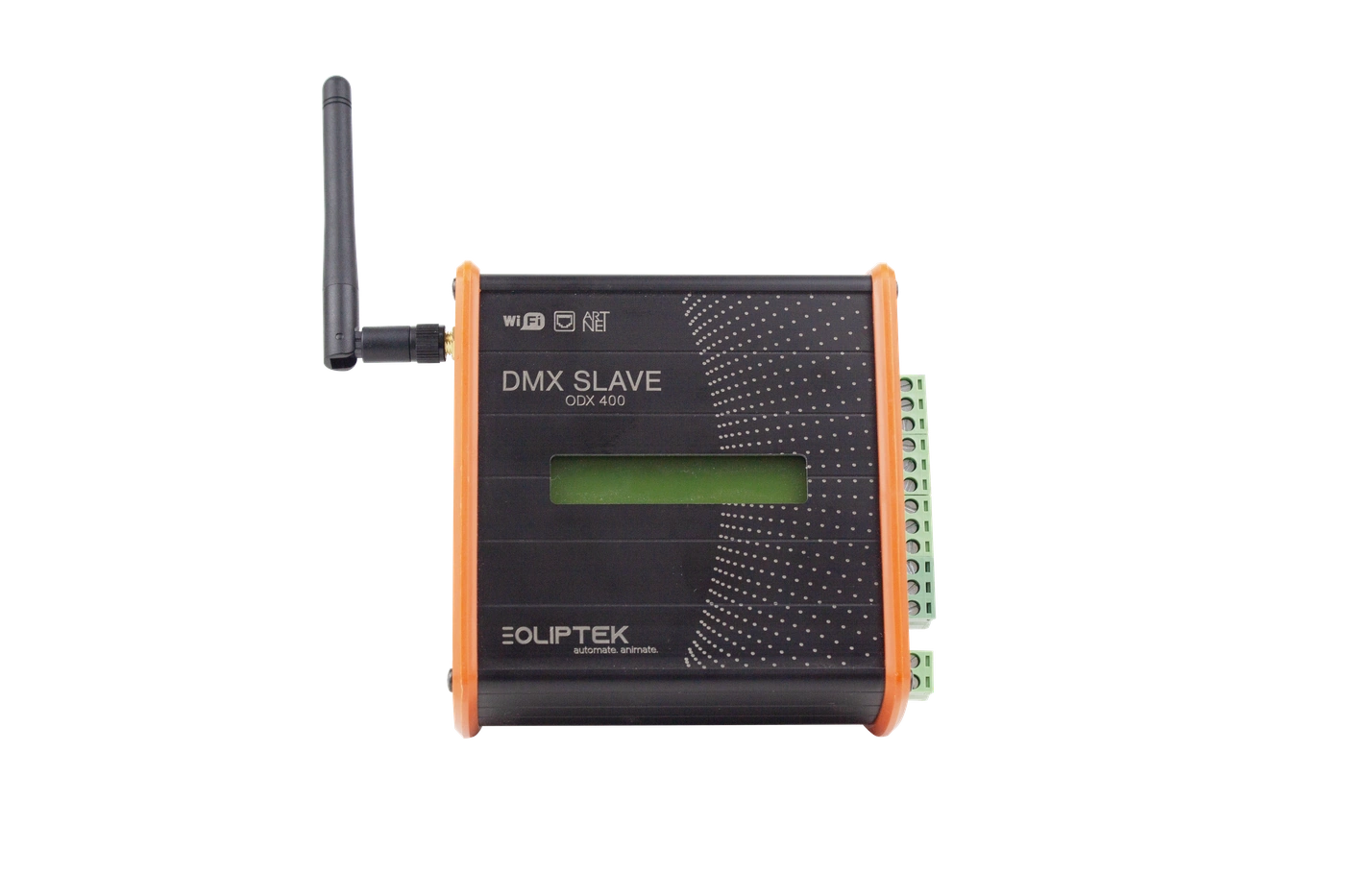
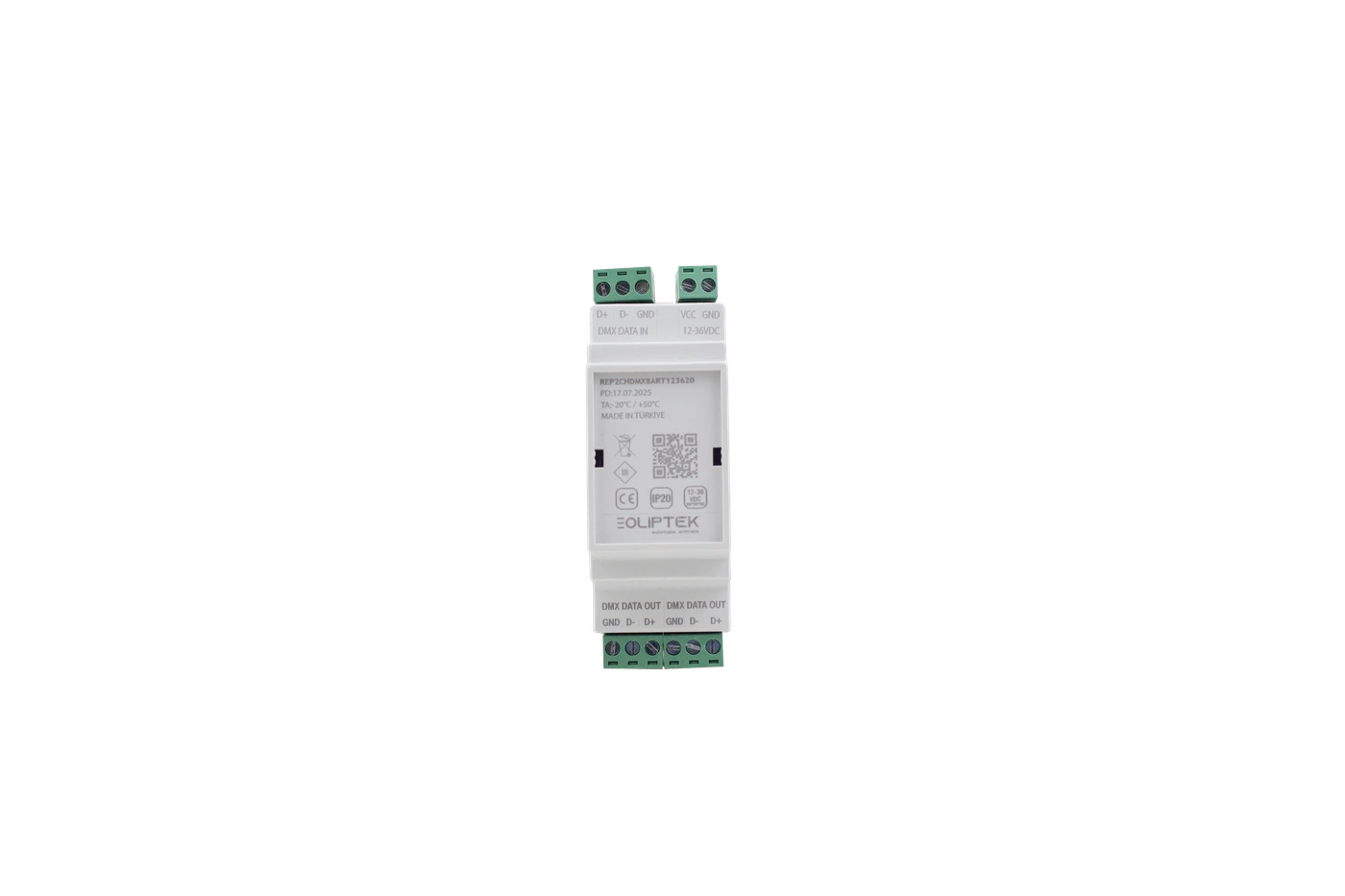
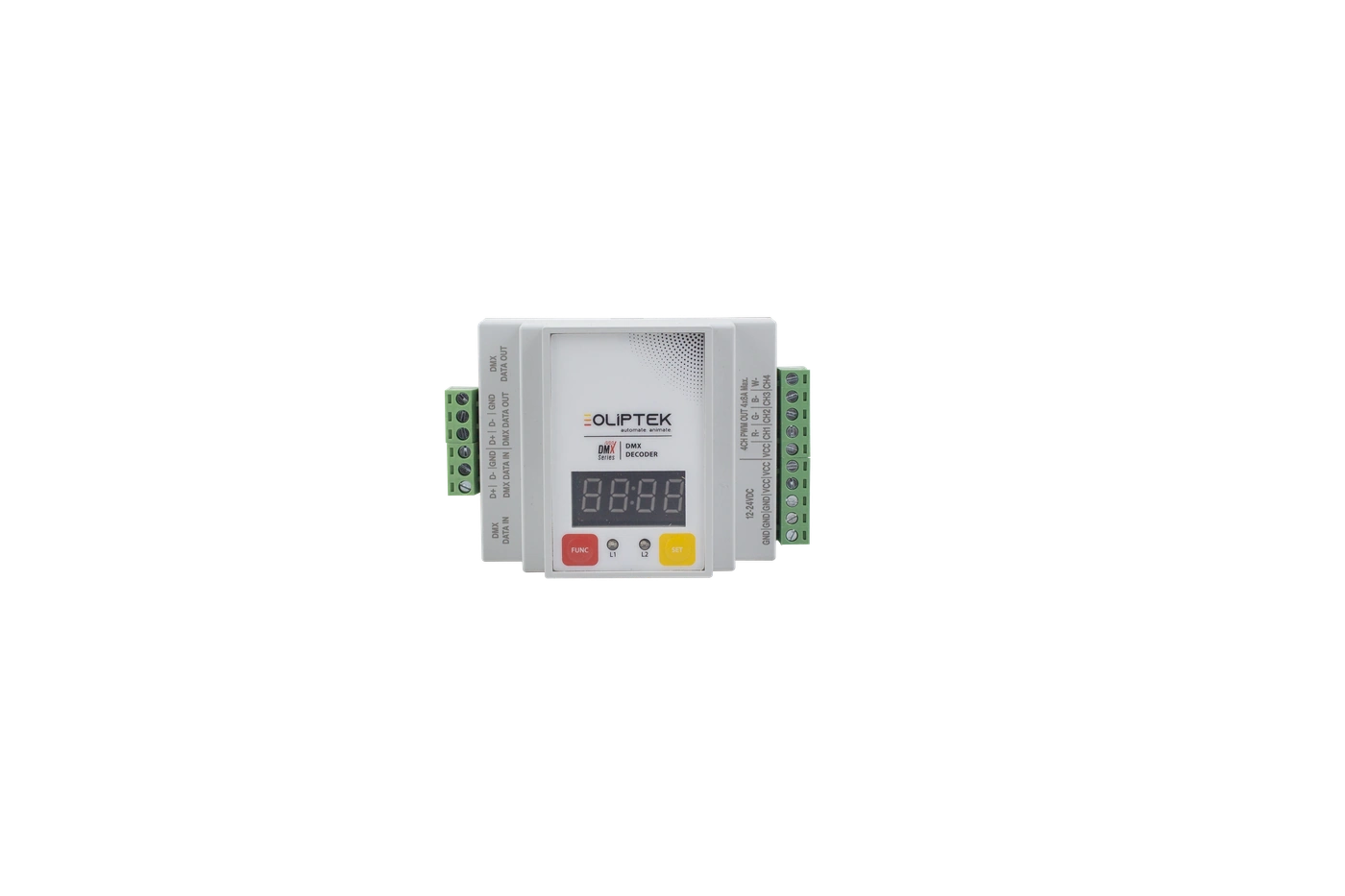
DMX Planning Notes
Plan for serviceable zone control
Zone documentation
Keep a record of every lighting zone, its start address, and its associated scene so future service work remains clear.
Serviceable branches
Plan branches around access points that can be tested and maintained without disturbing the complete installation.
Scene testing
Review scheduled and live scenes on site to confirm that zones follow the intended visual sequence.
Architectural Lighting Priorities
Zoned scene design
Scalable distribution
Serviceable infrastructure
OLIDMX Knowledge Notes
Architectural Lighting FAQ
Questions about DMX-controlled facade and interior lighting zones.
How does DMX support architectural lighting?
DMX can organize facade and interior lighting zones into coordinated scenes across an architectural installation.
Why is a clear signal path important for architectural projects?
A defined signal path helps luminaires follow the intended sequence across longer runs and makes the system easier to understand during service. Read the guide to DMX cabling and termination.
What should be considered when planning lighting zones?
Plan zones around the intended visual scenes, fixture locations and the routing needed to reach each compatible output.