
Lighting Objective
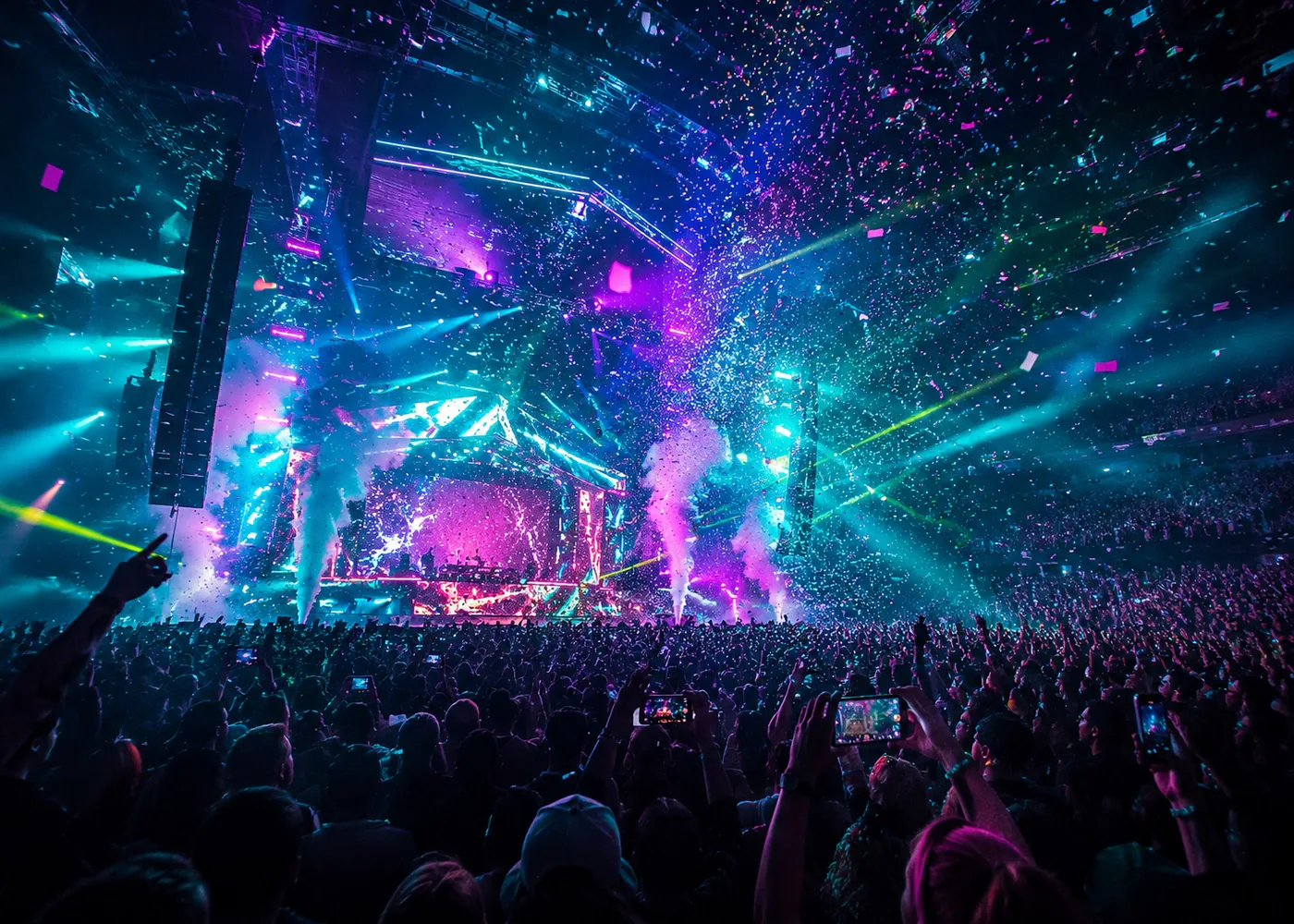
DMX Application
Theater
Theater lighting depends on repeatable cues, controlled fades and quiet operation. DMX keeps fixture groups addressed consistently so each rehearsed scene can be recalled with confidence.
- Lighting Objective
- Reproduce rehearsed cues and controlled fades with consistent timing.
- DMX Signal Role
- Deliver addressed control data to the fixture groups used in each scene.
- Planning Focus
- Maintain fixture schedules and validate cues after any programming or rig change.
DMX Application Guide
How DMX is used in Theater
Theater lighting depends on repeatable cues and controlled fades. DMX lets a control system address individual fixture groups so atmosphere, timing, and transitions can be rehearsed and recalled consistently.
Application Examples

The Stage Picture
Controlled levels, color, and timing help shape the audience's focus for each scene.

Operator-Led Cue Control
A clear cue structure helps the lighting operator reproduce rehearsed transitions with confidence.

Fixture Focus and Direction
Thoughtful fixture placement supports the intended focus, angles, and mood on stage.
Application Overview
Signal Routing
Scene zones
Lighting Outputs
Controlled fades
Typical Signal Path
Build a repeatable cue path
Keep fixture addressing, cue playback, and controlled fades aligned from rehearsal through performance. Learn more about DMX addressing and universes.
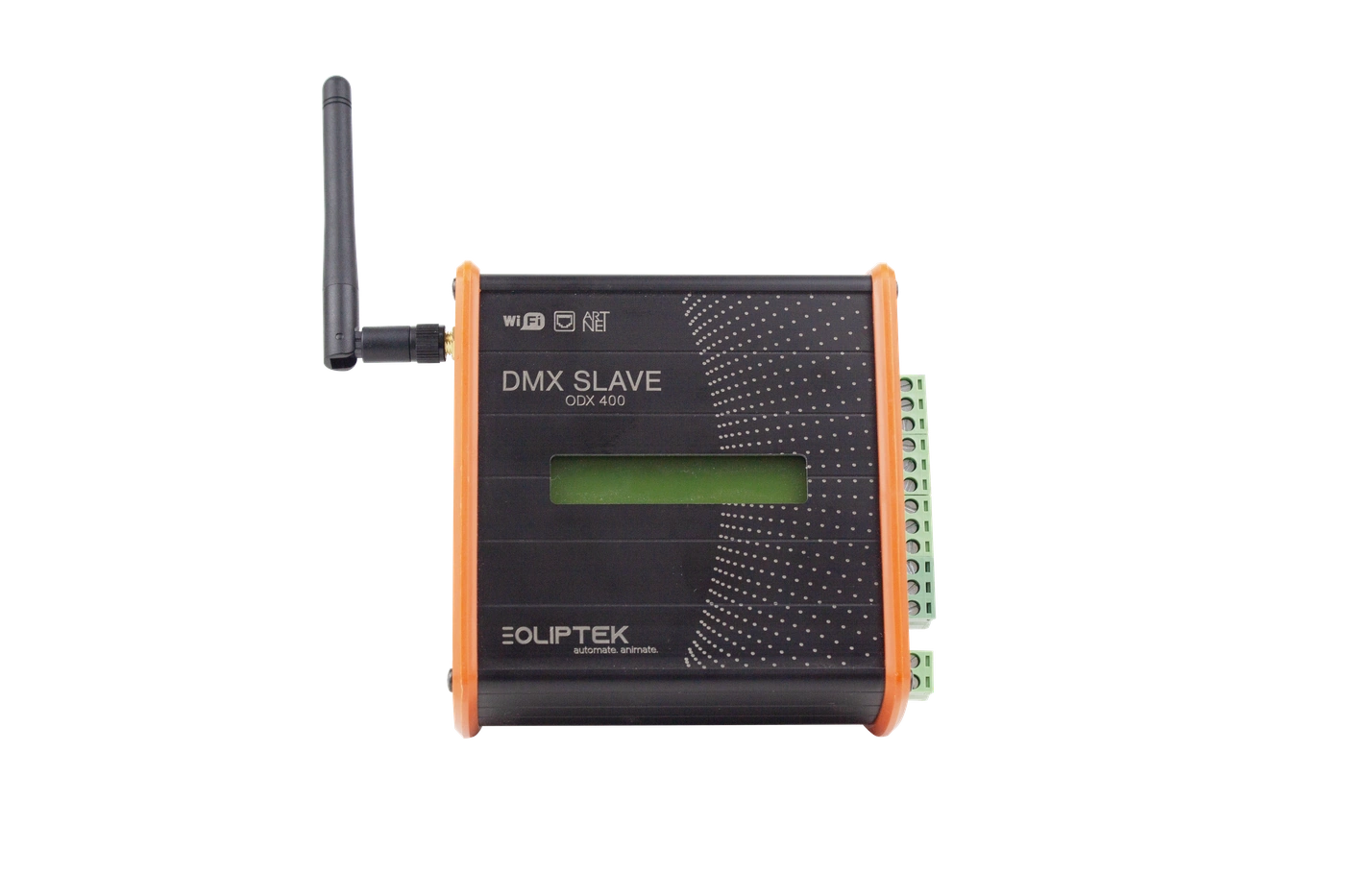
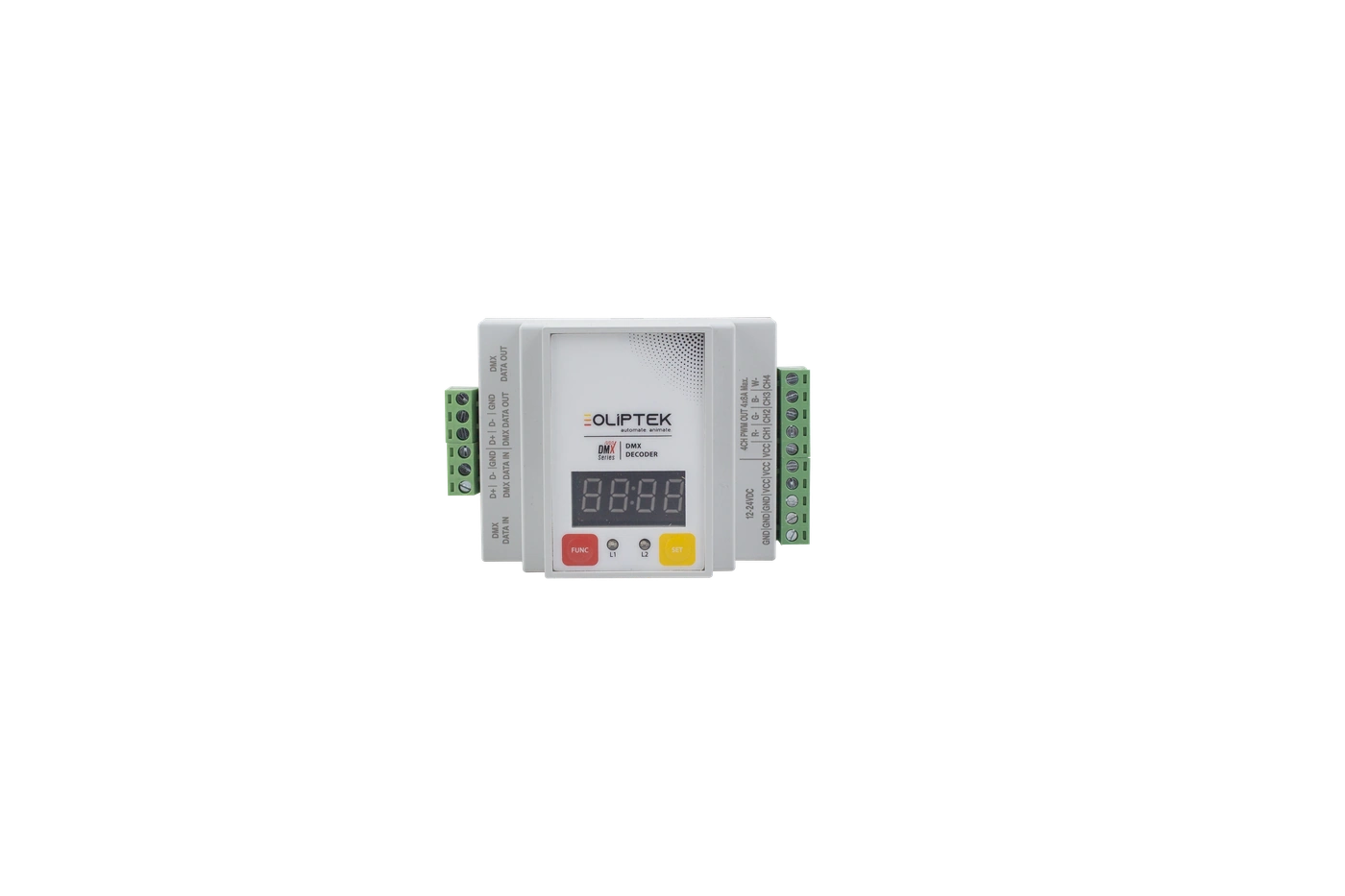
DMX Planning Notes
Protect repeatable rehearsal workflows
Fixture modes and addresses
Record each fixture mode and start address so the programmed channel layout matches the rig.
Cue validation
Test the full cue sequence after changes to confirm that every assigned fixture responds as expected.
Repeatable routing
Keep the signal path stable between rehearsal and performance to make fault checks more predictable.
Theater System Priorities
Precise fades
Reliable cue recall
Quiet operation
OLIDMX Knowledge Notes
Theater Lighting FAQ
Questions about repeatable theater cues and controlled lighting transitions.
Why is DMX useful for theater lighting?
DMX helps keep fixture groups addressed consistently so rehearsed cues and controlled fades can be recalled with confidence.
What should a theater lighting signal path support?
The signal path should support repeatable cue playback, controlled scene changes and the fixture groups required by the production. Learn more about DMX addressing and universes.
How do theater lighting outputs receive a cue?
Each compatible output receives its assigned DMX channels from the planned control path.